Most of us learned to ride with training wheels. My first bike had them too — a rattly, wobbling rite of passage. These days, parents are skipping that step. The balance bike is the quiet genius of early cycling: no pedals, no chain, just two wheels and a child learning to push, coast, and—eventually—balance. If you’ve been shopping, you’ve probably seen a few names pop up over and over. One of them is KRIDDO. The other big contender? Strider. Let’s talk about the real differences — price, weight, design, and what actually matters when a tiny human is learning to steer.
Price often decides the race before the first push. Look, here’s the clear split:
That’s not just a small difference; it’s almost double. For many families, that gap is decisive. Now, resale can shift the math: Strider holds value fairly well on secondhand sites, but only if you plan to sell. If you’re buying to keep or to hand down between siblings, KRIDDO’s lower upfront cost is very attractive.
You’ll be surprised how much weight matters when you’re carrying, lifting, or chasing a kid. Both bikes are impressively light:
That’s practically identical. Light bikes make learning easier — kids can maneuver them with less effort, and parents can lift them without feeling like they’ve signed up for a gym session.
Here’s the thing: specs only tell part of the story. The design choices tell the rest.
KRIDDO’s strengths:
Strider’s strengths are its track record and simplicity. It’s built to last, widely trusted by parents and schools, and also uses non-puncture foam tires (no pumps, no flats). Where KRIDDO adds playful personalization and slightly chunkier tires, Strider leans into a clean, tried-and-true design that many families prefer.
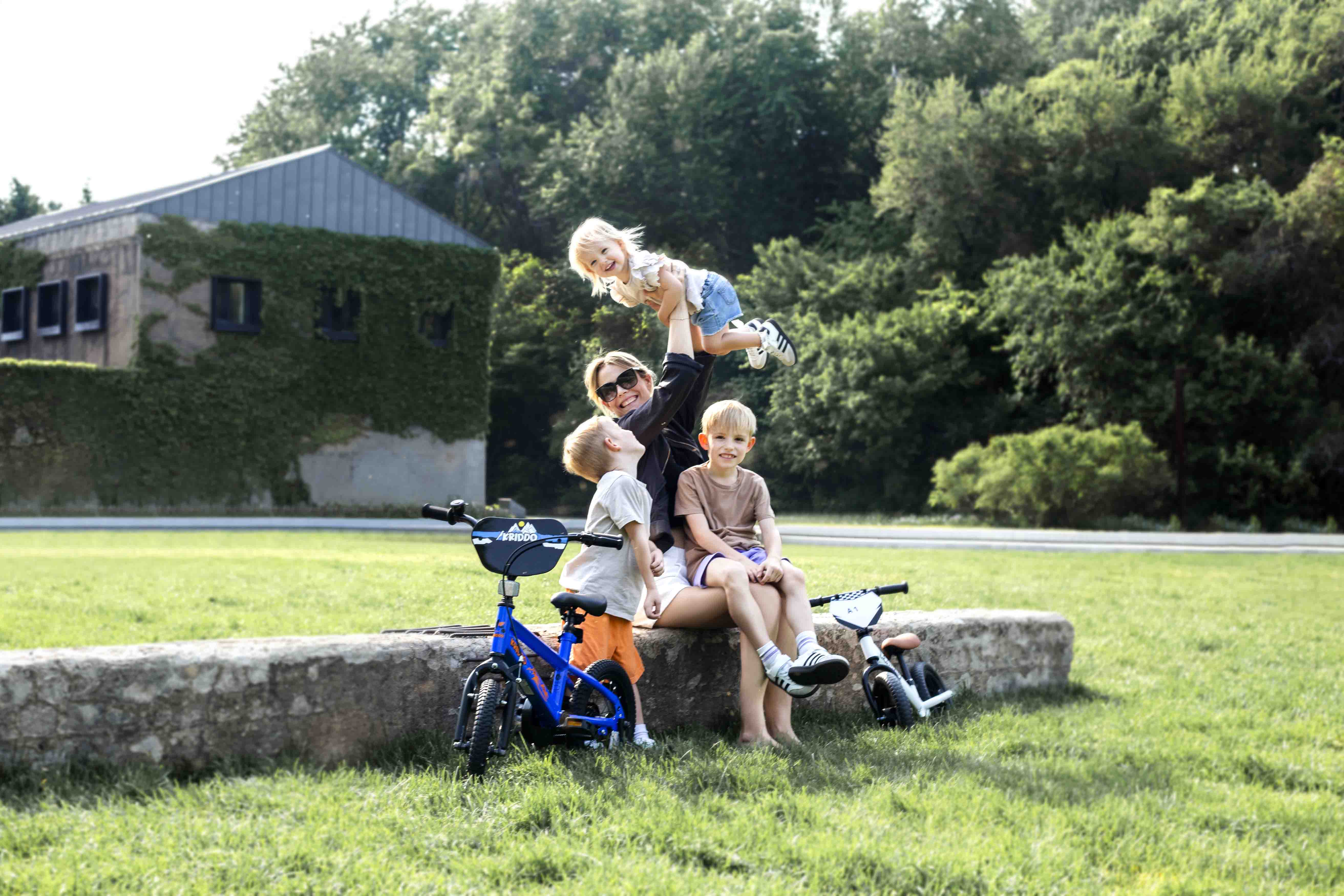
You know what parents don’t usually tell you until you try it? How much personality plays a role. My older kid learned to ride on a Strider and loved zipping around the driveway. My younger one took to a KRIDDO and seemed more attached — the name plate made it feel like a “real” bike, and the chunkier tires handled our uneven park paths better.
Let me explain: when a child feels ownership (stickers, a name on the frame), they ride more. It’s not science-grade, but it matters. Also, thicker tread gives beginners extra confidence on non-pavement surfaces.
Both KRIDDO and Strider skip inflatable tires, which means you’ll never deal with flats. Foam rubber might not bounce like air-filled tubes, but it’s fuss-free. If your neighborhood has grassy parks or lumpy sidewalks, KRIDDO’s extra-thick tread is a plus. For smooth pavements and faster glides, Strider’s slimmer profile works just fine.
If budget is your top concern, KRIDDO offers almost all the same functional benefits as Strider for about half the price, with extra personality points for its name plate and chunkier tires. If you value brand reputation and resale potential, Strider still makes a strong case.
Quick guide:
The “best” balance bike isn’t just about price or features — it’s about the one your child can’t wait to hop on. Whether you go for the playful personality of KRIDDO or the solid reputation of Strider, you’re giving your child a head start on riding without the wobbly crutch of training wheels. That’s worth more than any spec sheet.